According to the PMBOK® Guide (6th Edition), there are five general techniques used to resolve conflict. Each has its place depending on the situation, but Collaborate/Problem Solve is considered the most effective for achieving long-term, sustainable results.
Collaborate/Problem Solve involves incorporating multiple viewpoints and insights from differing perspectives. It requires a cooperative attitude and open dialogue that typically leads to consensus and commitment. This technique is often referred to as a win-win solution.
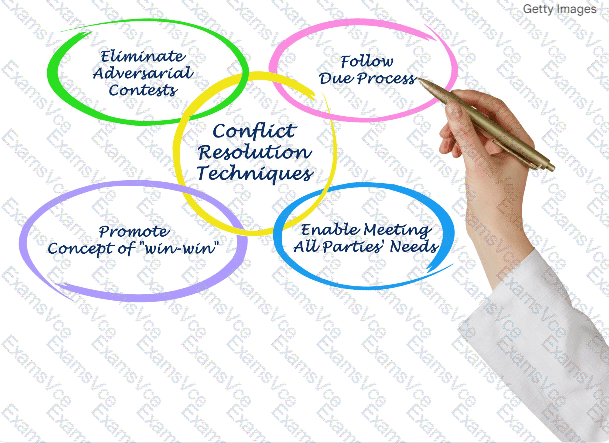
Why it produces the most lasting results:
Root Cause Focus: Unlike other methods that may only address symptoms, collaboration seeks to identify and resolve the underlying problem.
Buy-in: Because all parties participate in the solution, they are more likely to support the outcome, reducing the chance of the conflict resurfacing.
Relationship Building: It fosters trust and improves team dynamics by treating conflict as an opportunity for improvement rather than a battle to be won.
Analysis of Distractors:
A (Withdraw/avoid): This involves retreating from a conflict or postponing the issue. It is a lose-leave approach that fails to solve the problem, often allowing it to worsen over time.
B (Smooth/accommodate): This emphasizes areas of agreement rather than areas of difference, conceding one ' s position to maintain harmony. It is a temporary fix (a " band-aid " ) that does not address the core issue.
C (Compromise/reconcile): This involves searching for solutions that bring some degree of satisfaction to all parties but requires everyone to give something up. This is a lose-lose or " middle ground " approach that can lead to lingering dissatisfaction.



