According to the PMBOK® Guide (6th and 7th Editions) and the PMI Lexicon of Project Management Terms, the definition of a project is a " temporary endeavor undertaken to create a unique product, service, or result. "
Why Choice A is correct: This is the foundational definition of a project.
Temporary: Every project has a definite beginning and end.
Unique: The outcome of a project is distinct in some way from all other products, services, or results. Even if a project is to build a house similar to others, the location, timing, and specific circumstances make it unique.
Business Value: Projects are initiated by organizations to drive change and reach a future state, often motivated by market demand, strategic opportunities, social needs, or legal requirements.
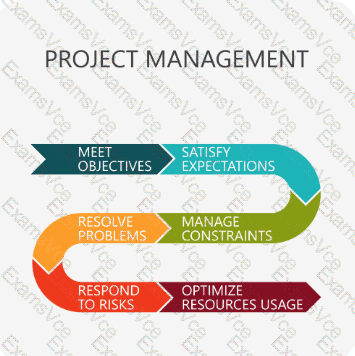
Analysis of other options:
B and C: While a project might incidentally teach discipline or increase understanding of project management, these are educational by-products, not the reason a project is undertaken. These relate more to Organizational Process Assets (OPAs) or corporate training.
D: Achieving better management of resources is typically a goal of Portfolio or Program Management, or a functional management objective. While a project must manage its own resources efficiently, the underlying purpose of the project itself is to deliver the specific unique outcome.
In summary, the Standard for Project Management clarifies that projects exist to bring about value (economic, social, or environmental) through the delivery of a specific, unique objective.



