 A screenshot of a computer AI-generated content may be incorrect.
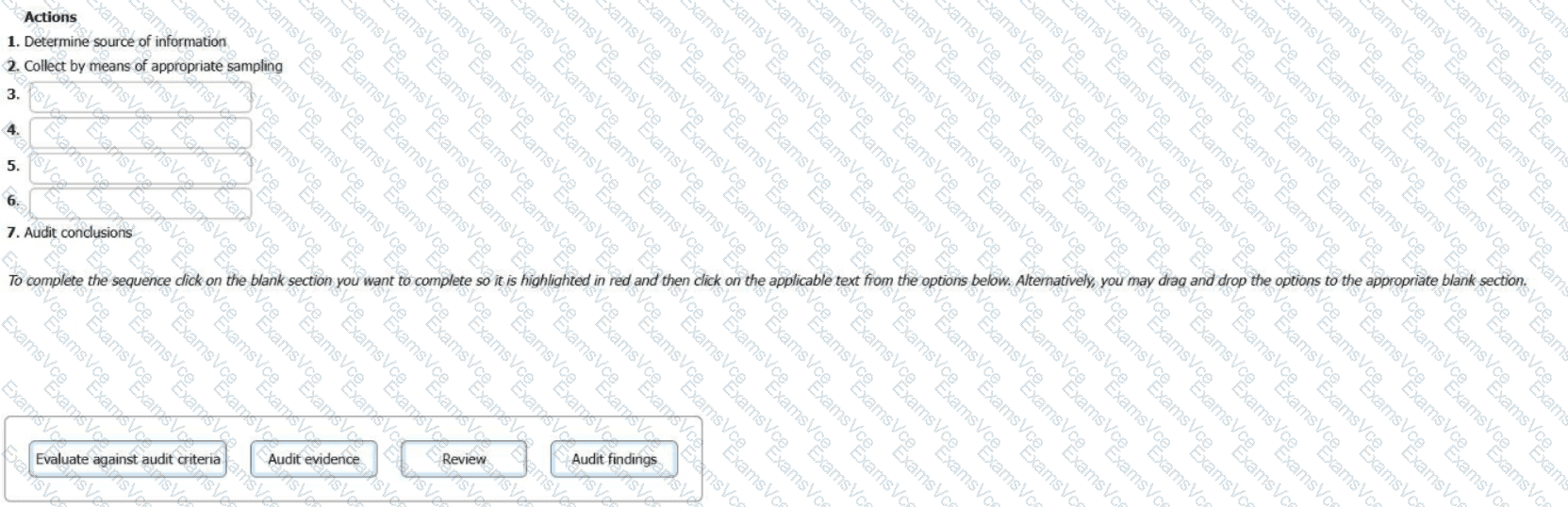
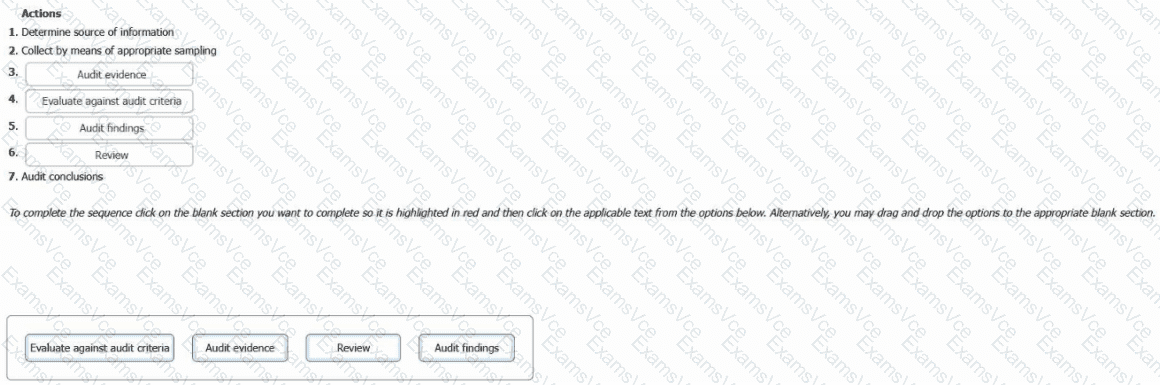
This sequence is derived from ISO 19011:2018 – Guidelines for Auditing Management Systems, which is used in conjunction with ISO 14001:2015 by auditors. Specifically, the audit process steps during the " conducting the audit " phase include:
Determining the source of information (Clause 6.4.5): Includes documents, interviews, records, and observations.
Collecting data by sampling (Clause 6.4.6): Sampling helps in managing resources and gathering relevant evidence effectively.
Gathering audit evidence (Clause 3.8): Audit evidence is the data collected and verified to support findings.
Evaluating against audit criteria (Clause 3.9): Evidence must be evaluated against standards such as ISO 14001 requirements, internal policies, etc.
Developing audit findings (Clause 6.4.9): Conclusions regarding conformance, nonconformance, and opportunities for improvement.
Review of findings (Clause 6.4.10): Cross-verification and validation before finalizing results.
Audit conclusions (Clause 6.4.11): Final statements summarizing the audit based on findings.
This structured process ensures audits are performed impartially, with verifiable, evidence-based outcomes that contribute to continual improvement.
[Reference:, ISO 19011:2018, Clauses 6.4.5 to 6.4.11, ISO 14001:2015, Clause 9.2 – Internal audit requirements, , , ]